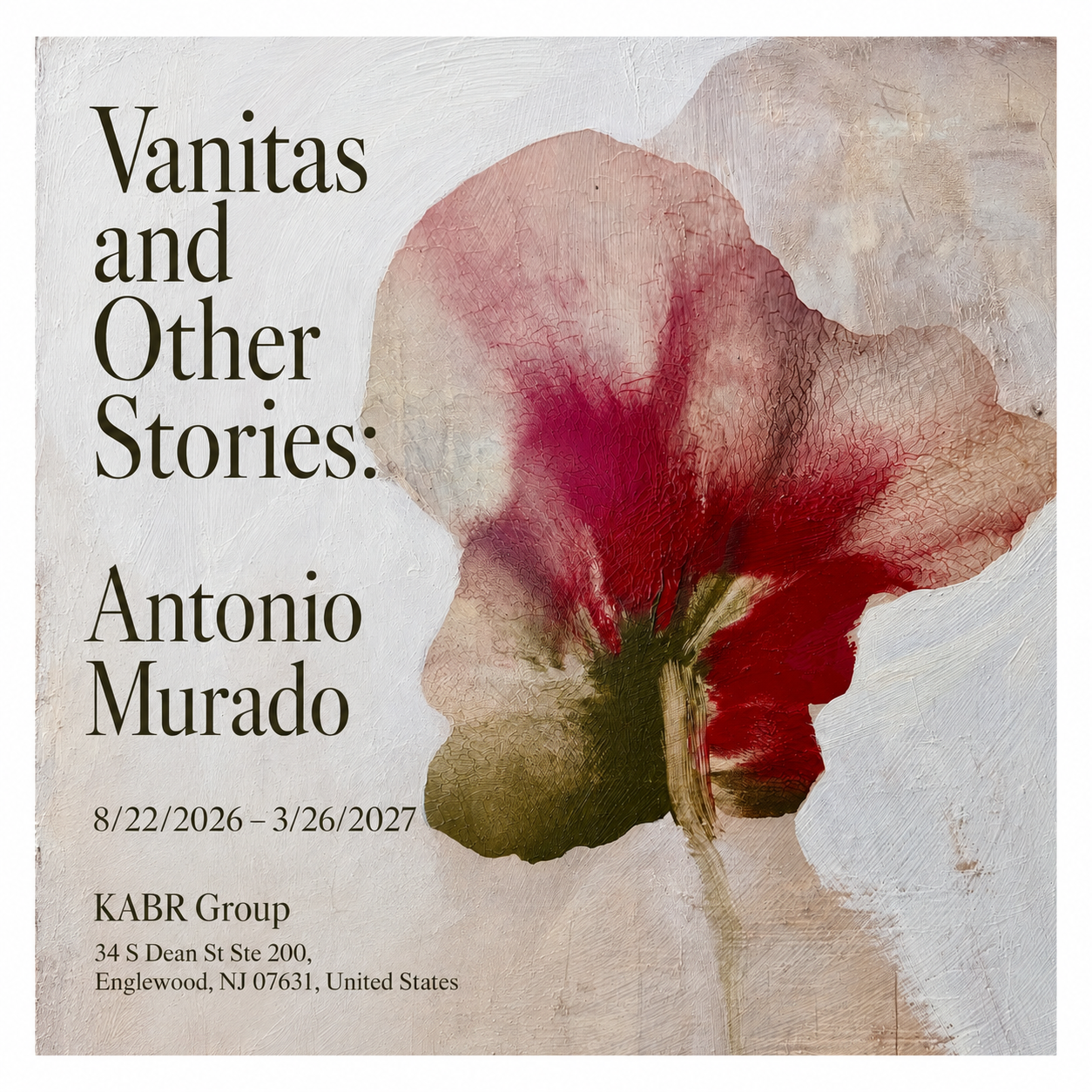
Vanitas and Other Stories: Antonio Murado
August 22, 2026 through March 26, 2027
KABR Group Headquarters, New Jersey
Supported by The Waterfall Arts Foundation
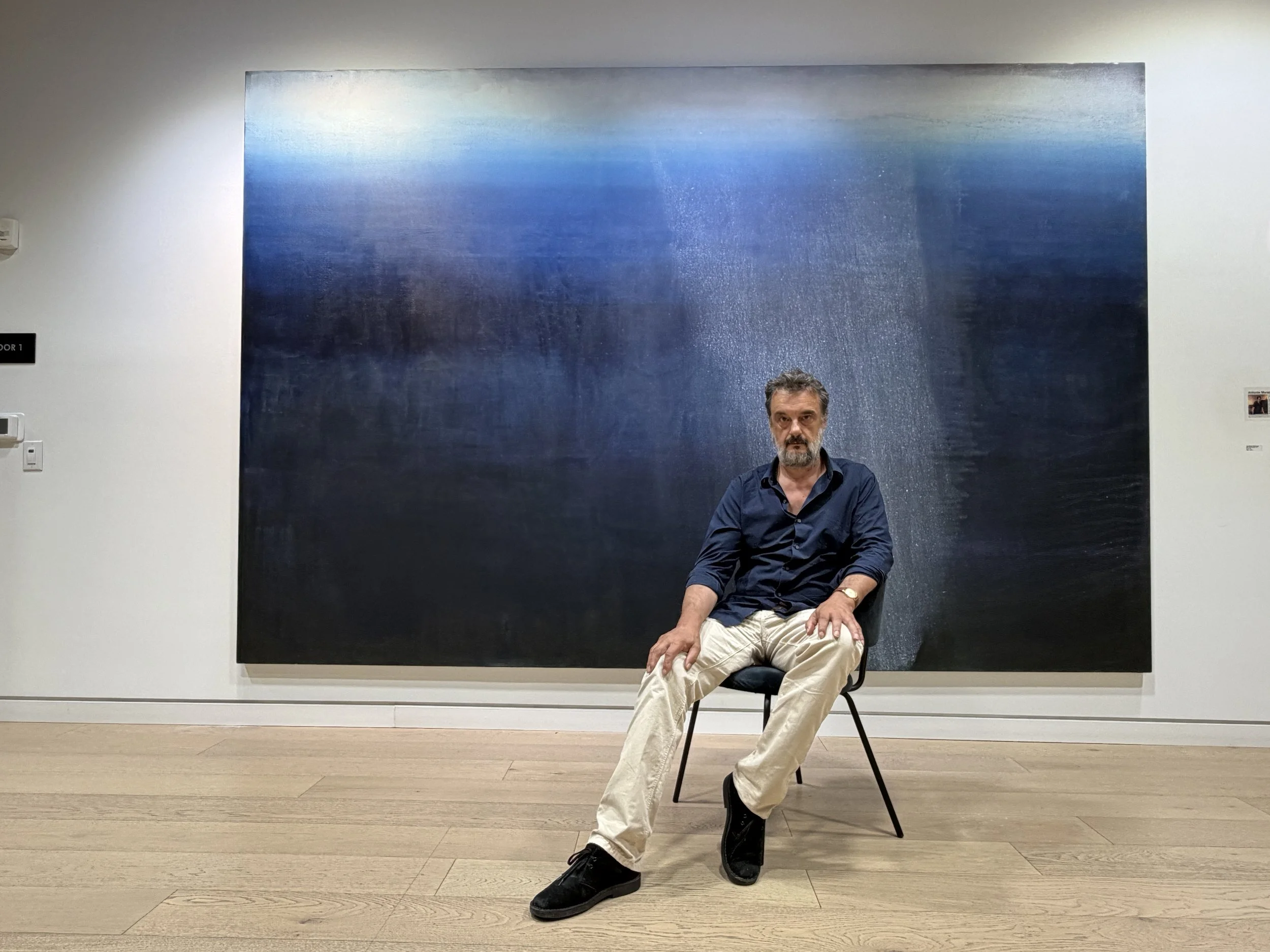
For Antonio Murado, painting begins before the image. He constructs the support, cuts and prepares the linen, applies the ground, and paints with the same long spatula knife used in preparing the surface. This total engagement with the material process reflects his principle of reductionism: returning painting to its fundamental elements and allowing each to carry meaning.
Murado’s recent paintings find their point of departure in the austere beauty of Japanese gravel gardens—stones set within fields of emptiness, imagined here beneath the gradual accumulation of moss. Yet he does not seek to reproduce this landscape. His aim is identification rather than representation: to evoke the condition of stillness, restraint, and time that the garden embodies.
The linen is prepared with white gesso and treated as a field. Oil color is then poured onto the surface and distributed with a single movement of the long spatula knife, allowing the liquid pigment to filter into the ground. The irregularities of the linen and the evidence of the hand remain visible. What appears to be a simple gesture becomes an encounter between intention and chance, control and absorption, permanence and change.
It is here that Murado’s paintings enter into a quiet dialogue with the tradition of Vanitas. The historical Vanitas used skulls, extinguished candles, wilting flowers, and other symbols to remind us of mortality and the transience of worldly things. Murado removes these familiar signs. Instead, impermanence is embedded directly within the material of the painting.
The linen absorbs. The pigment settles. The gesture leaves only a trace. The imagined stone is slowly covered by moss. Everything is subject to transformation.
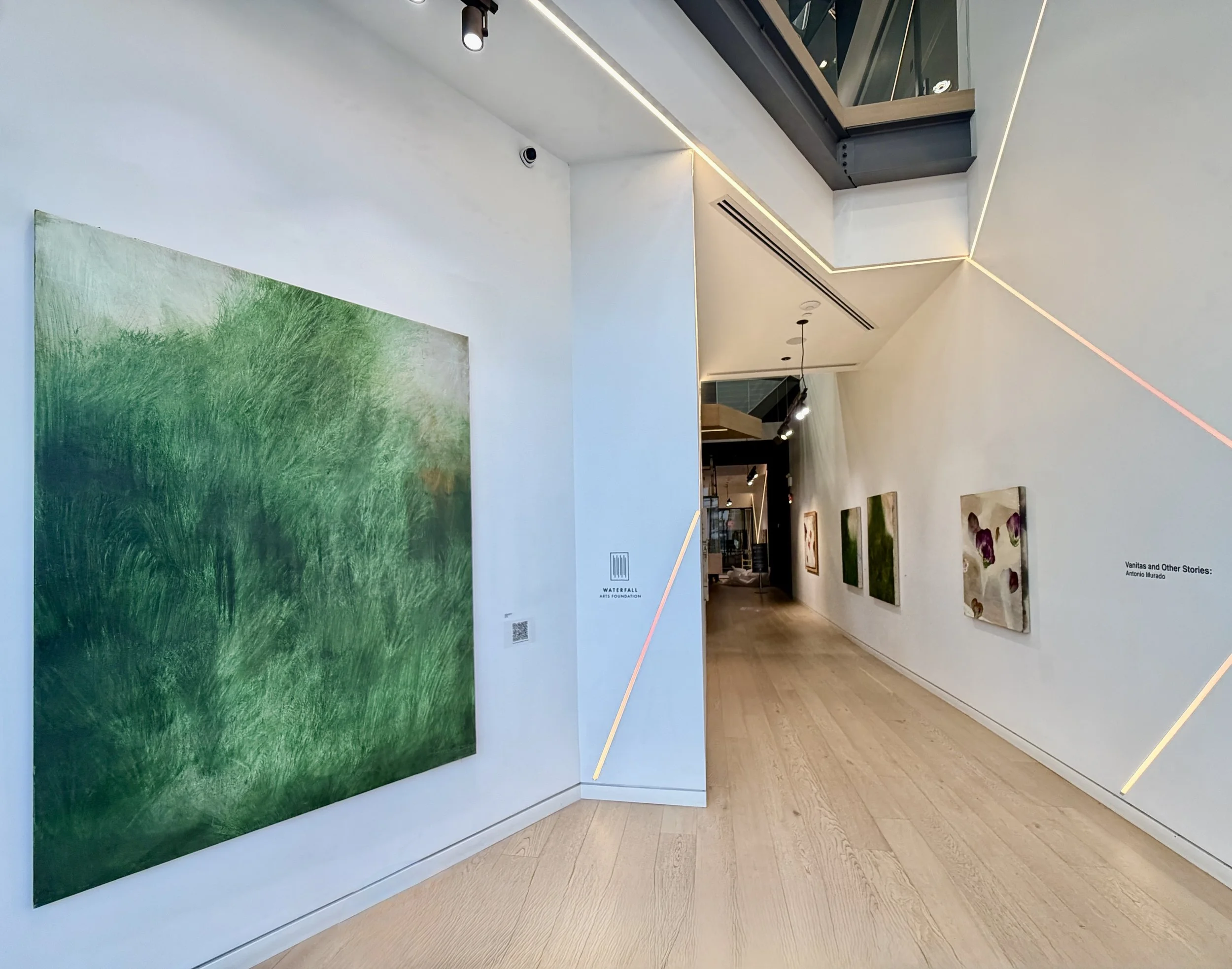
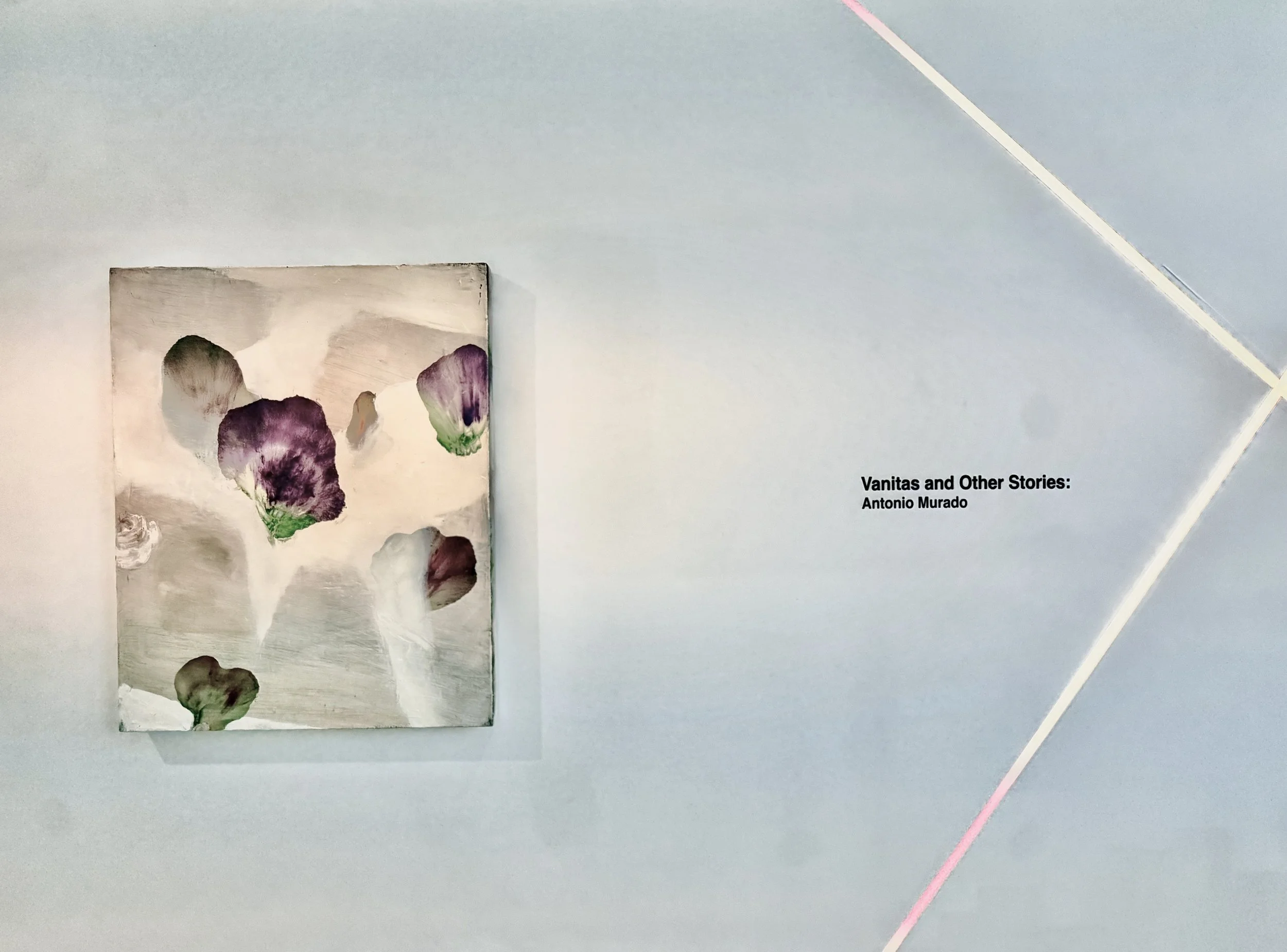
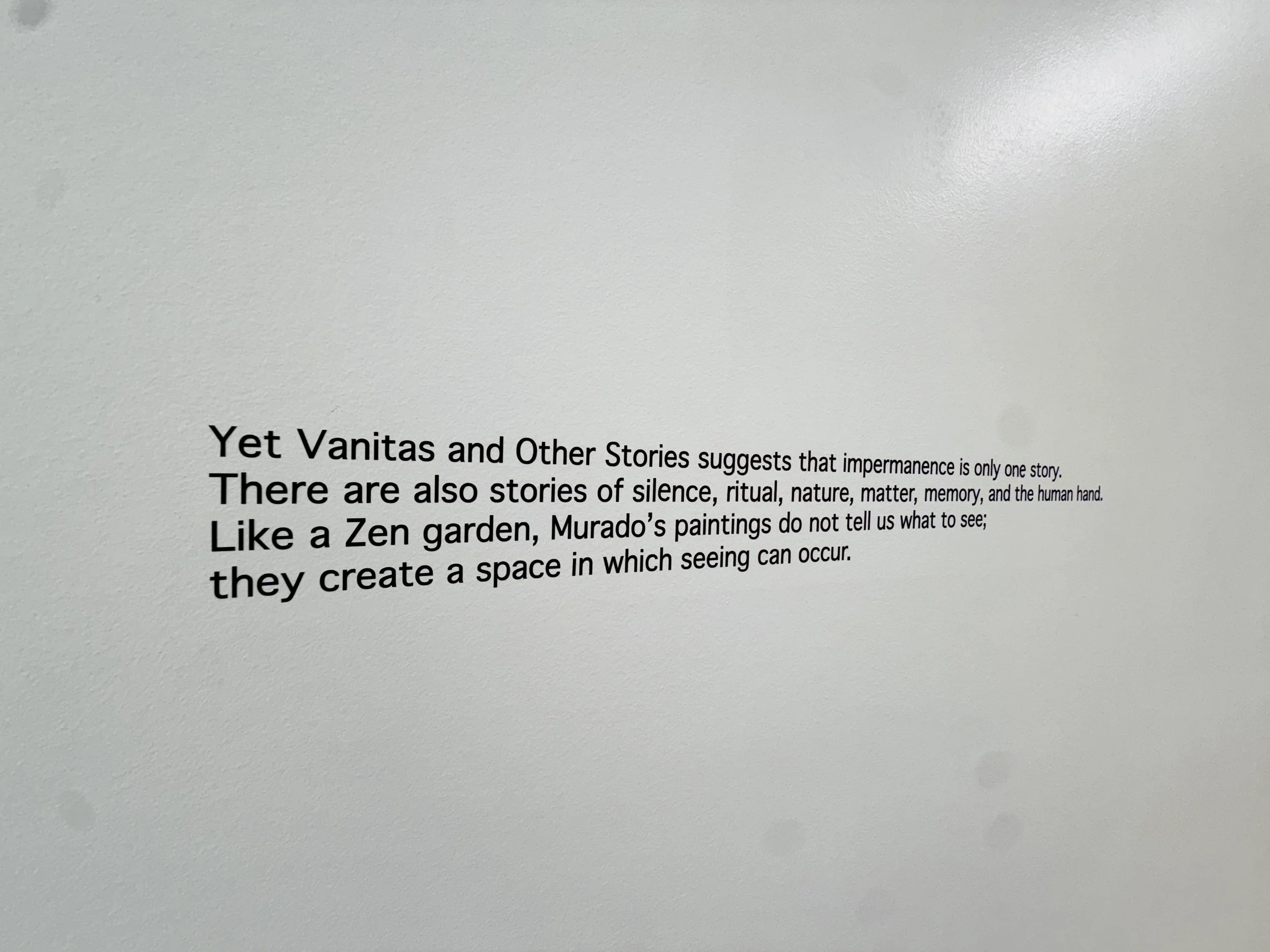
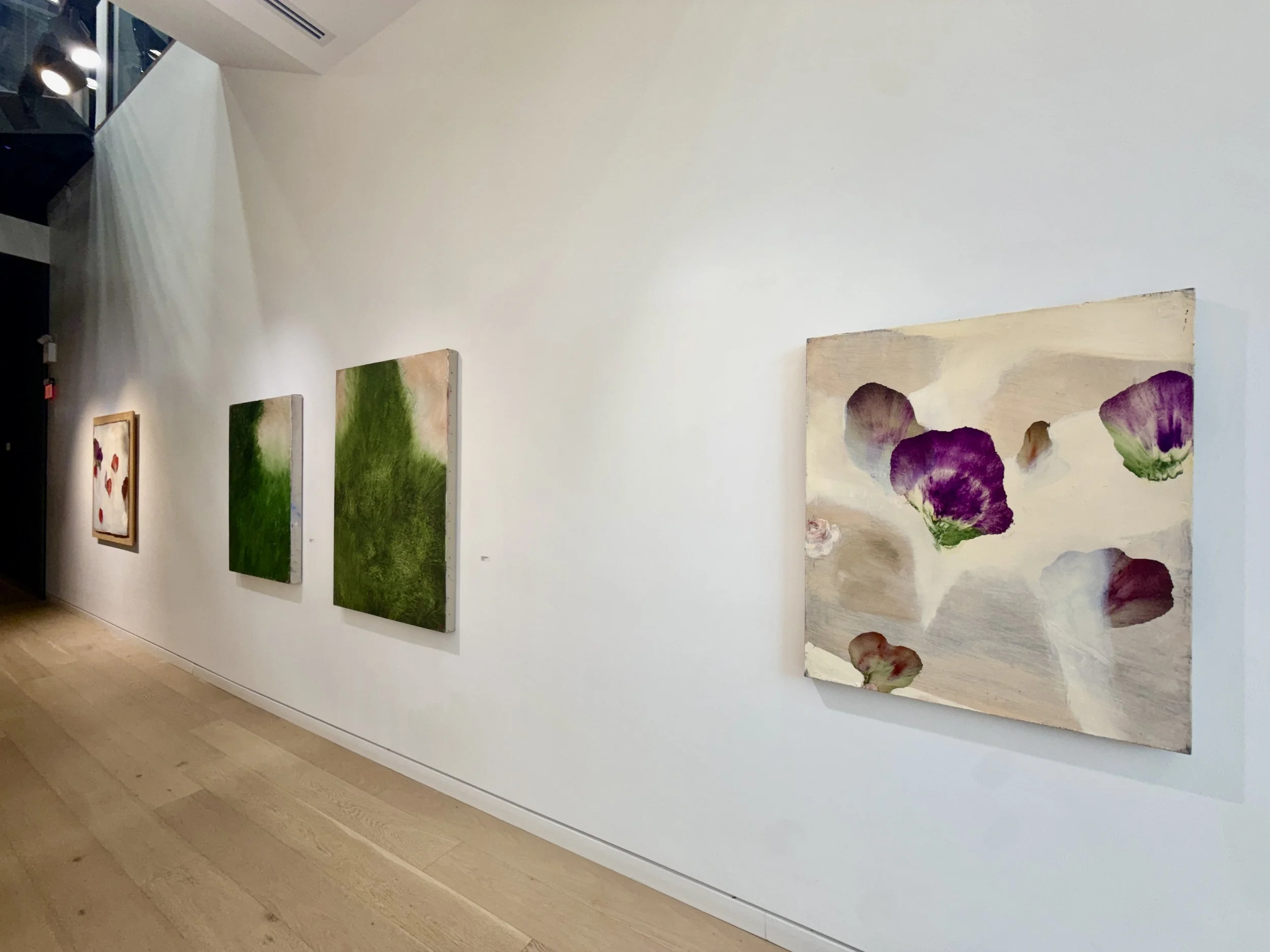
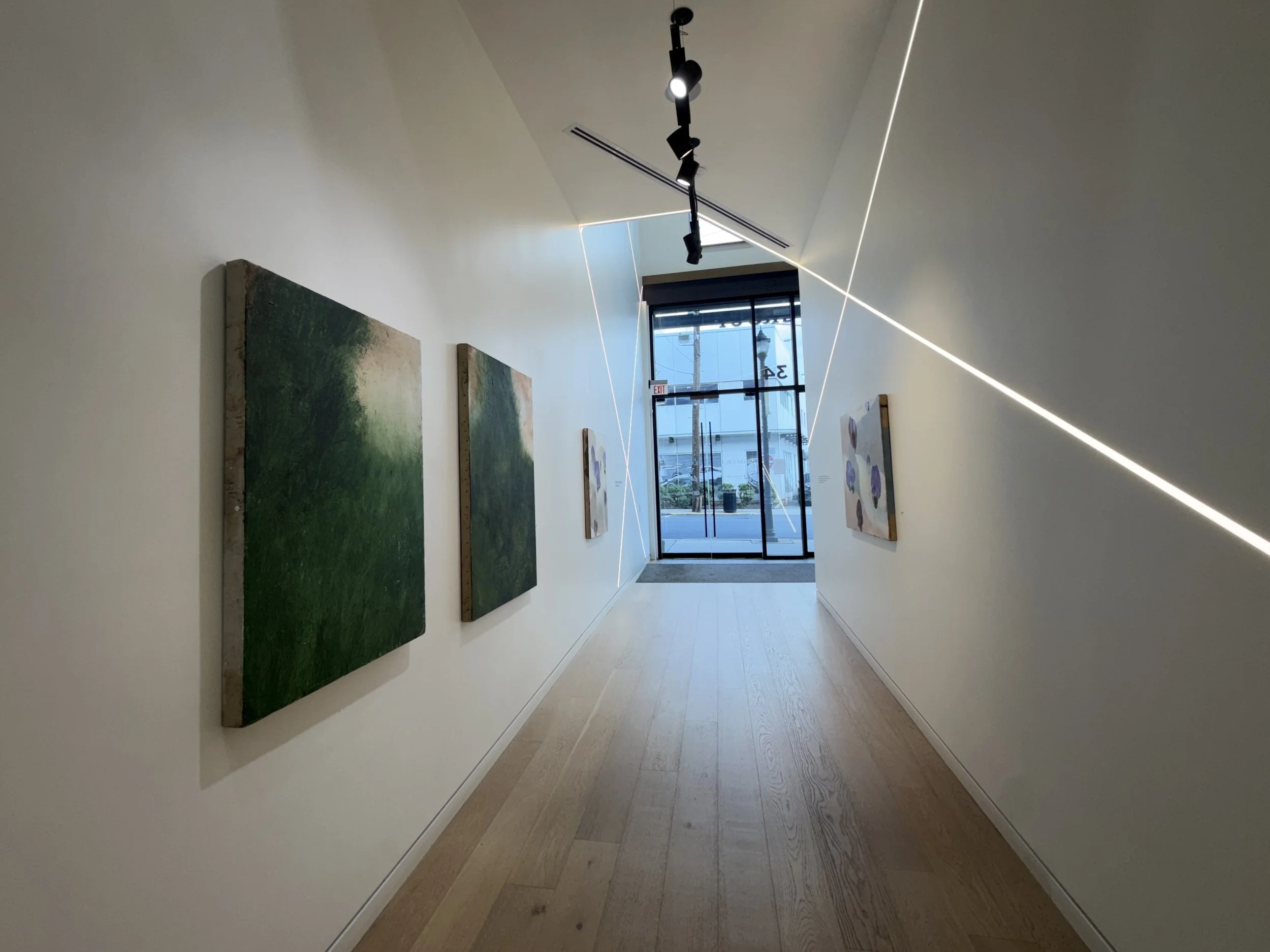
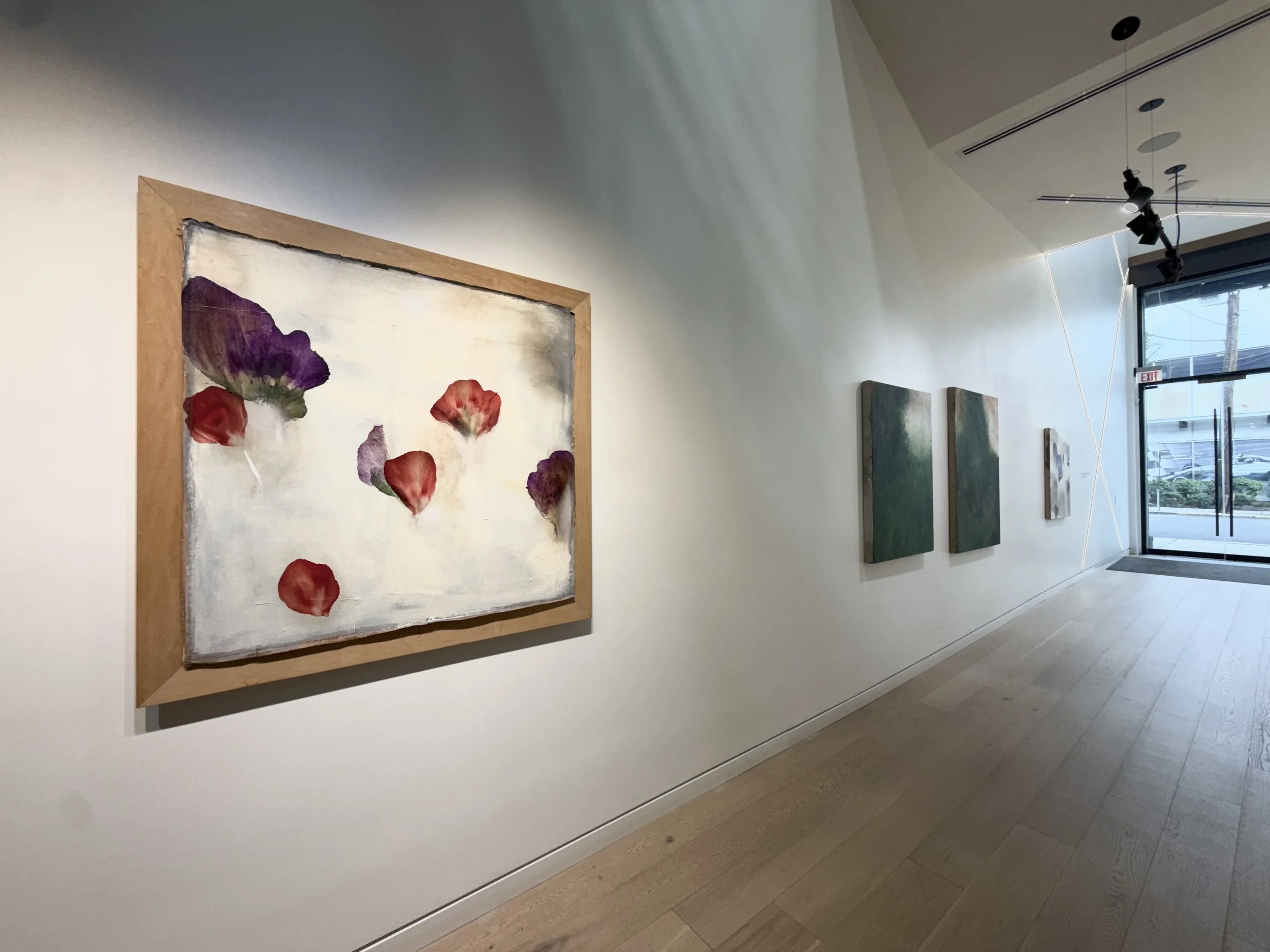
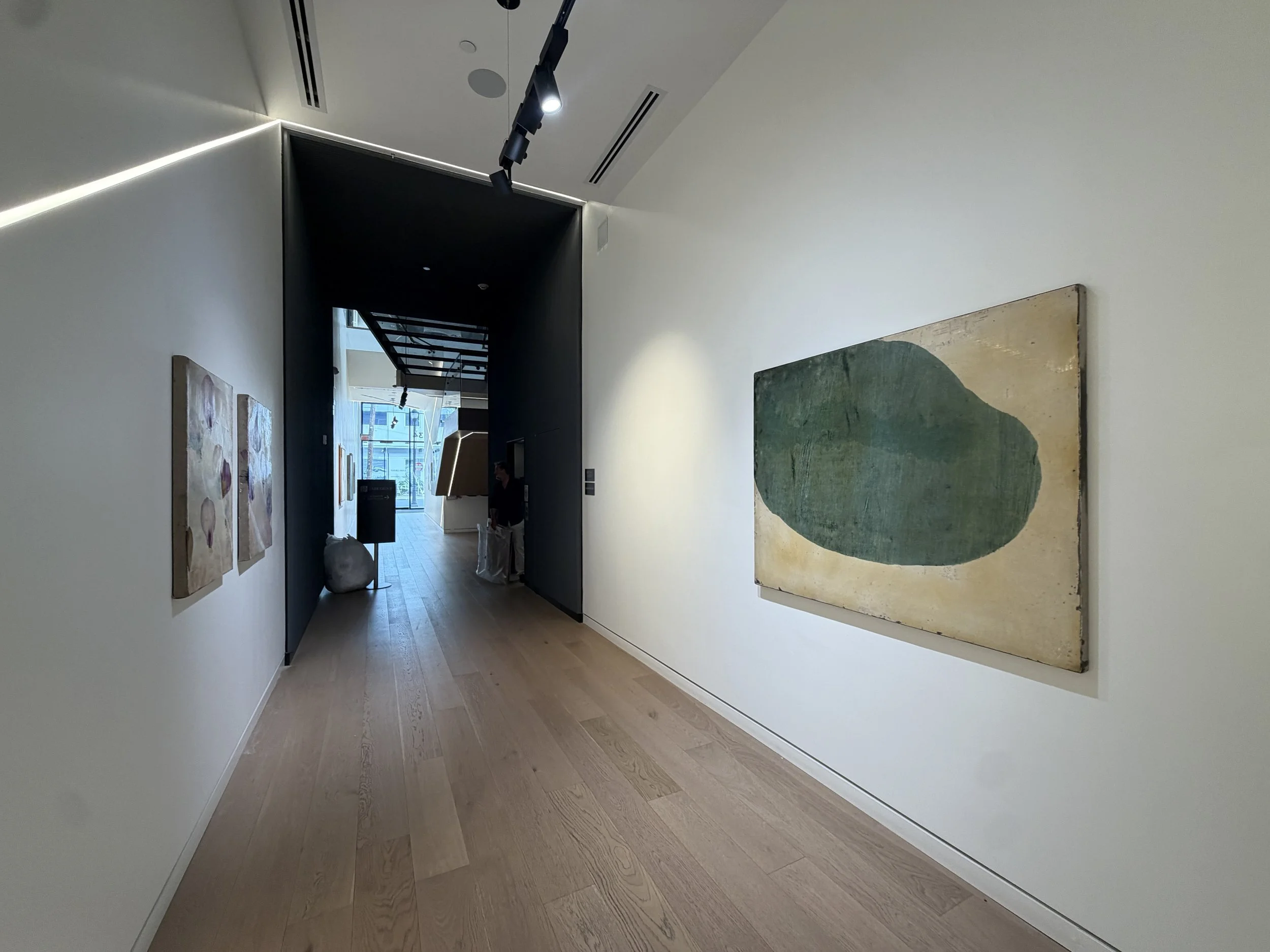
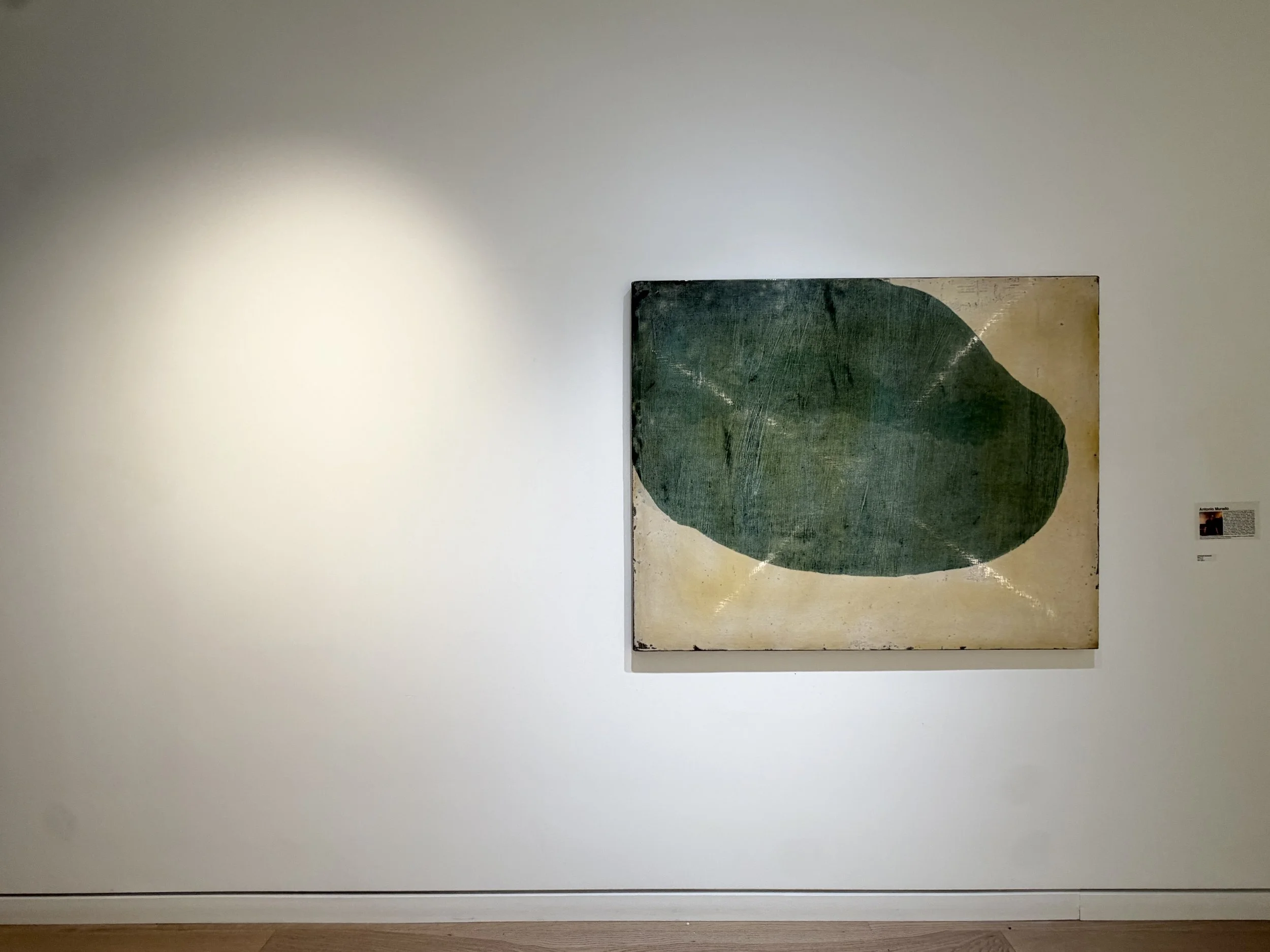
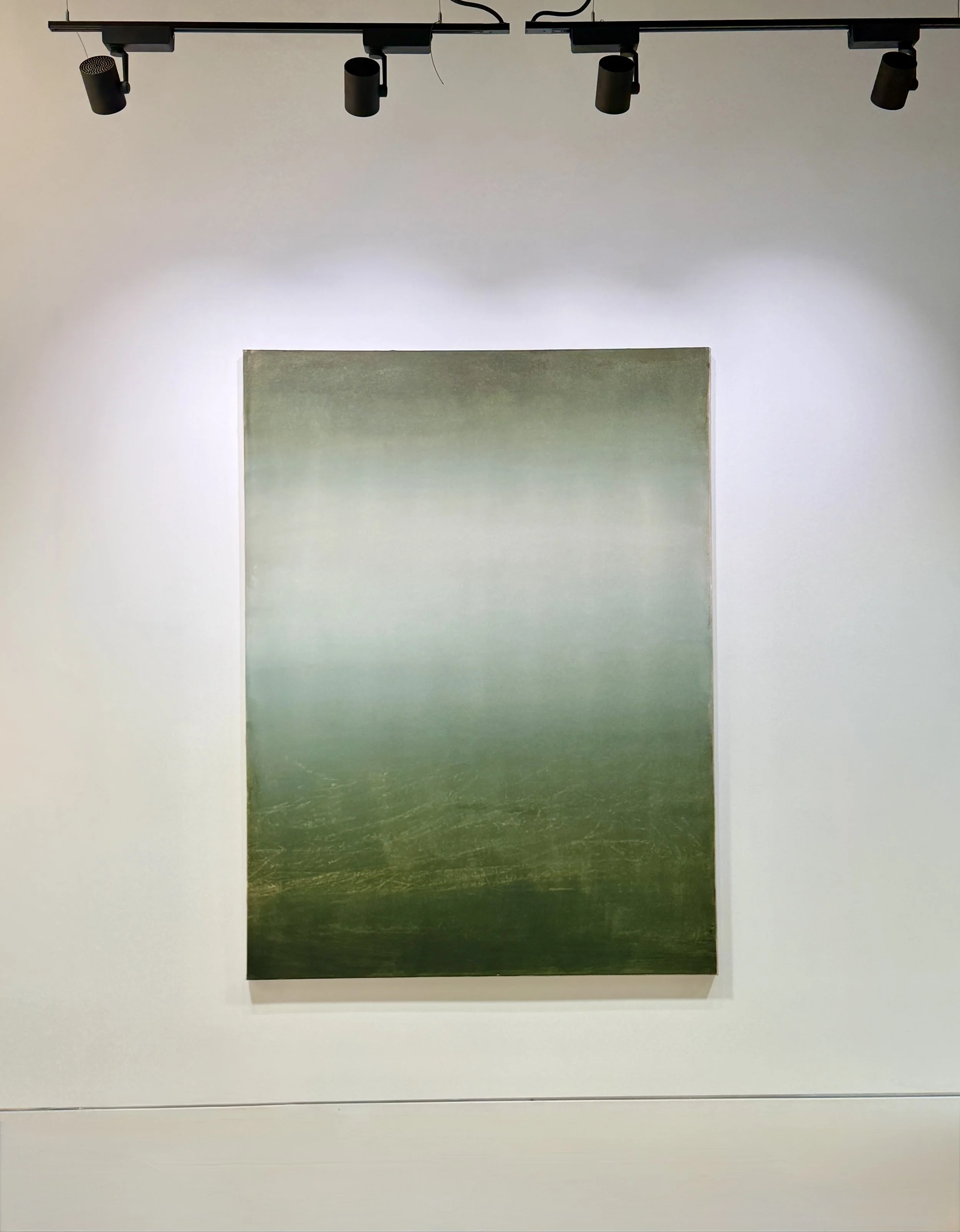
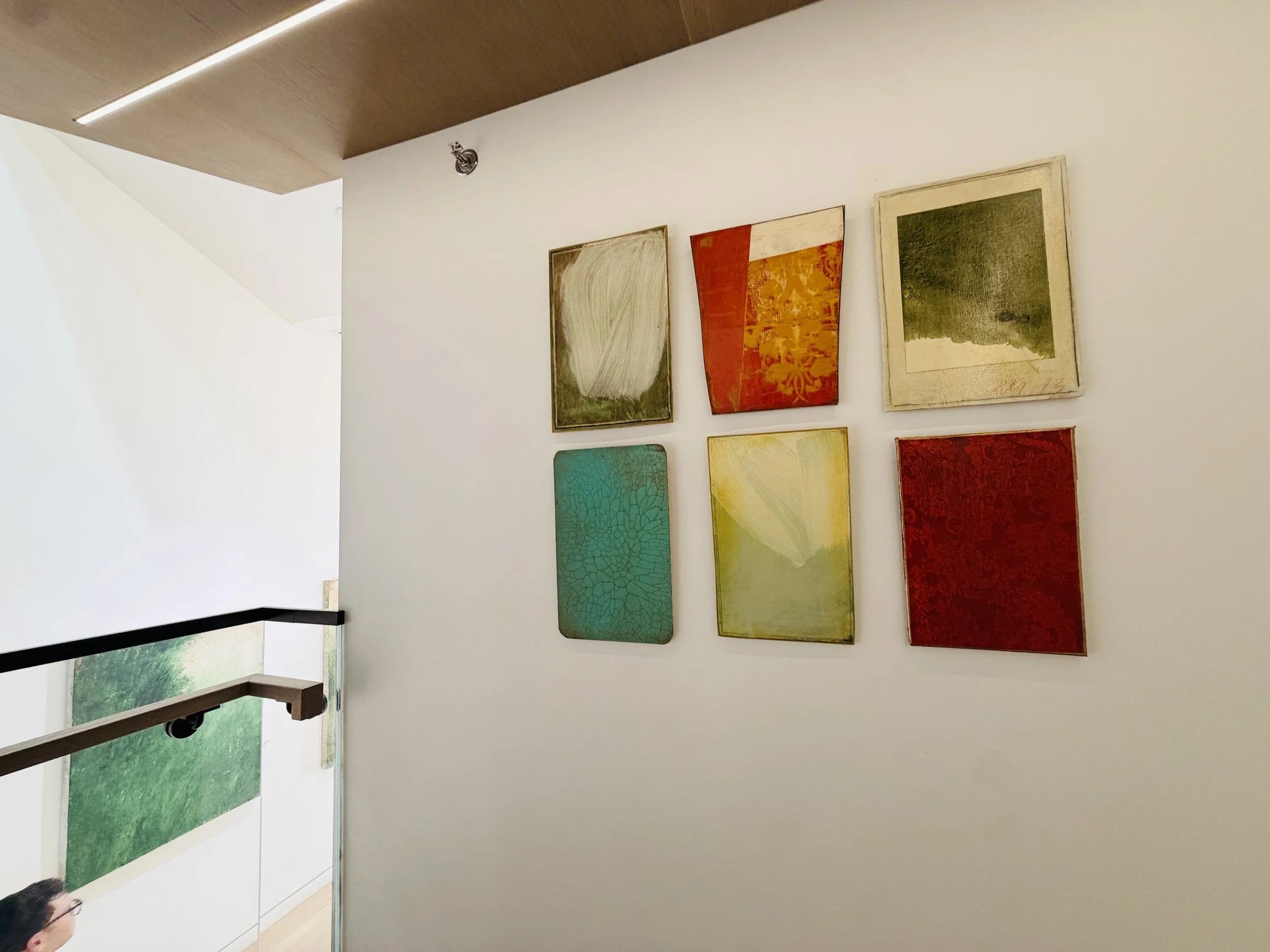
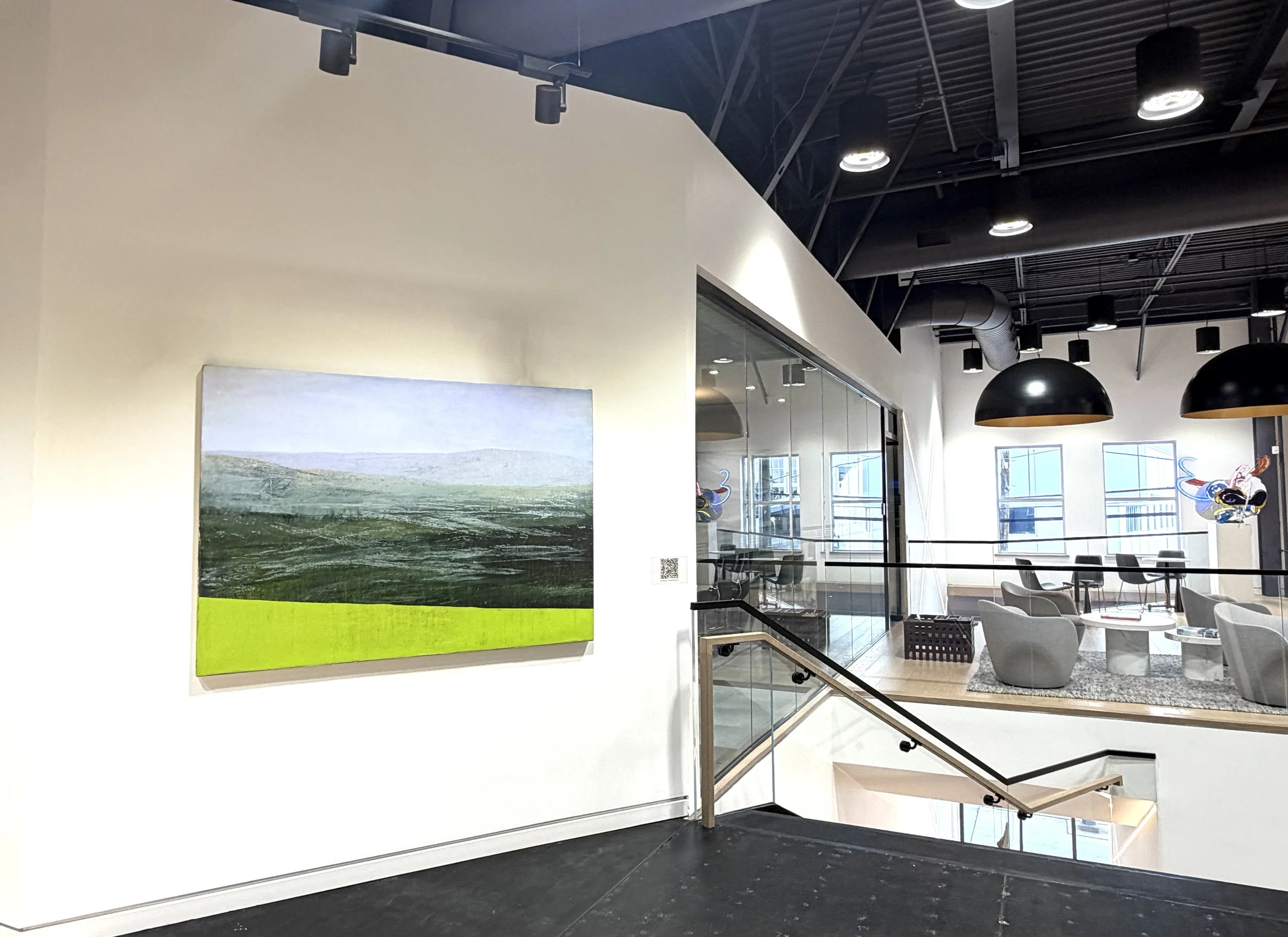
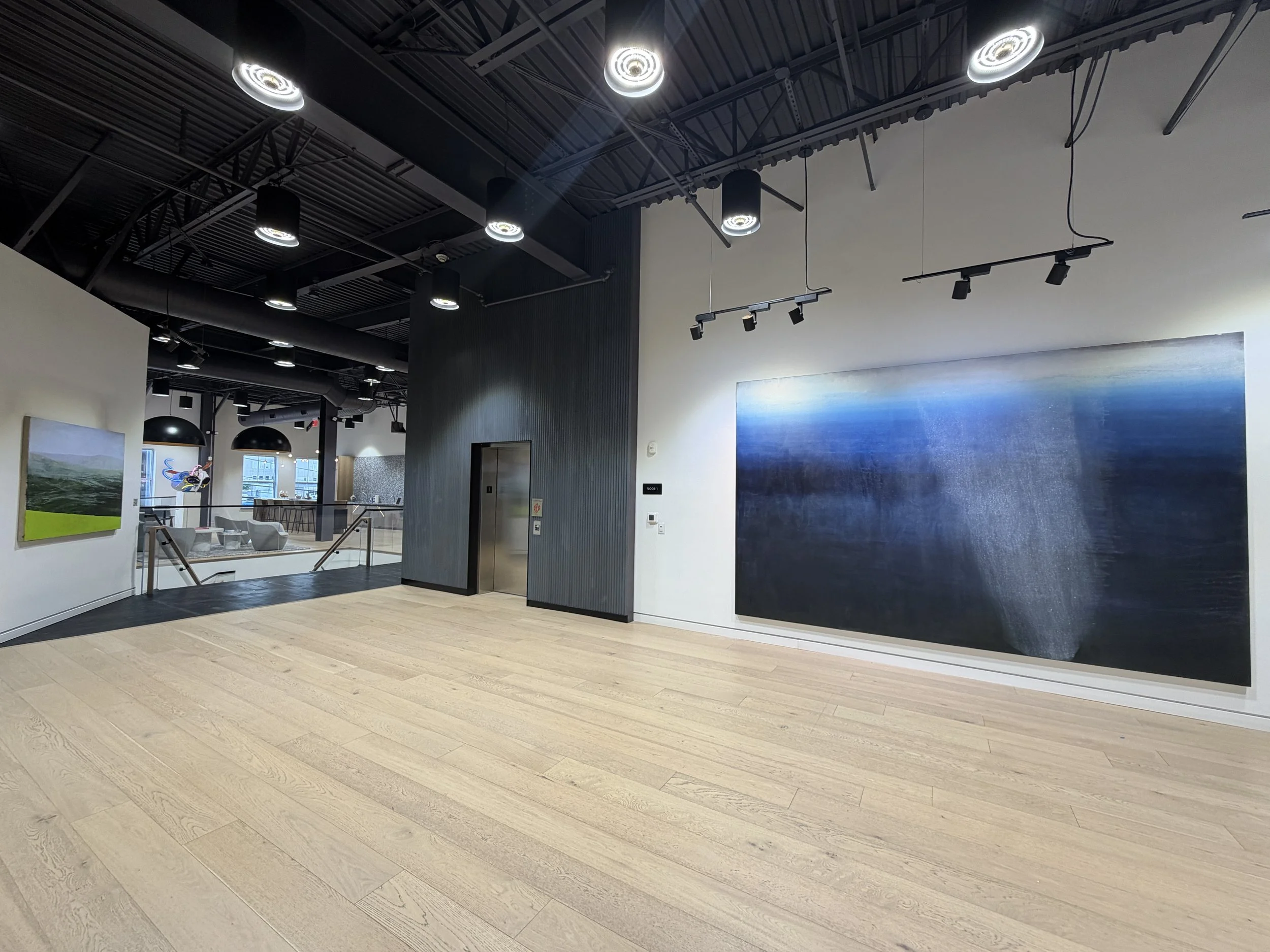
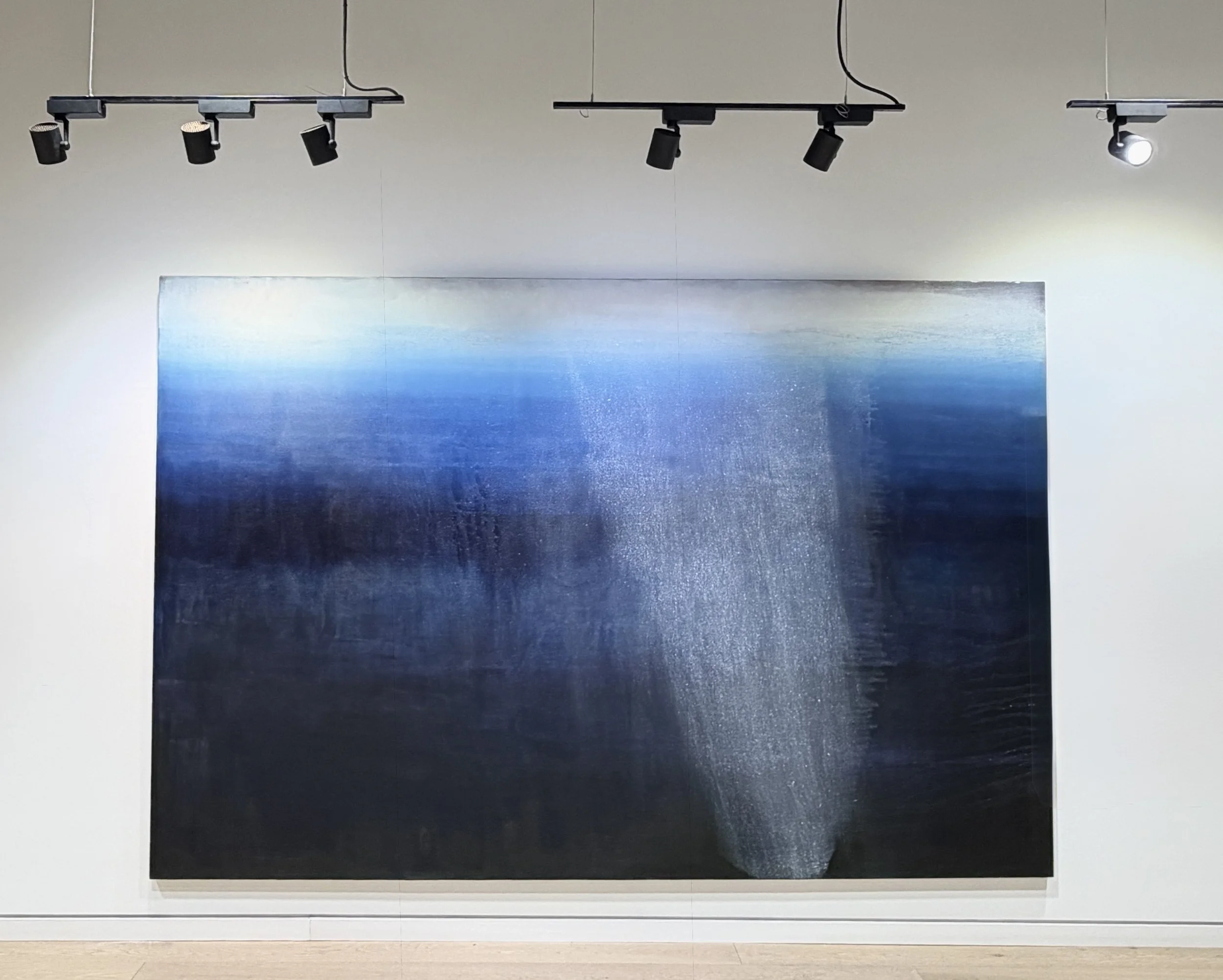
Yet Vanitas and Other Stories suggests that impermanence is only one story. There are also stories of silence, ritual, nature, matter, memory, and the human hand. Like a Zen garden, Murado’s paintings do not tell us what to see; they create a space in which seeing can occur.
Their restraint is therefore not an absence of expression, but a concentration of attention. Through reduction, Murado arrives at something more expansive: a painting that does not describe nature but allows us to experience its conditions—stillness, erosion, accumulation, and time.
What remains is not emptiness, but presence: the quiet evidence of matter becoming image, and image already beginning to return to matter.
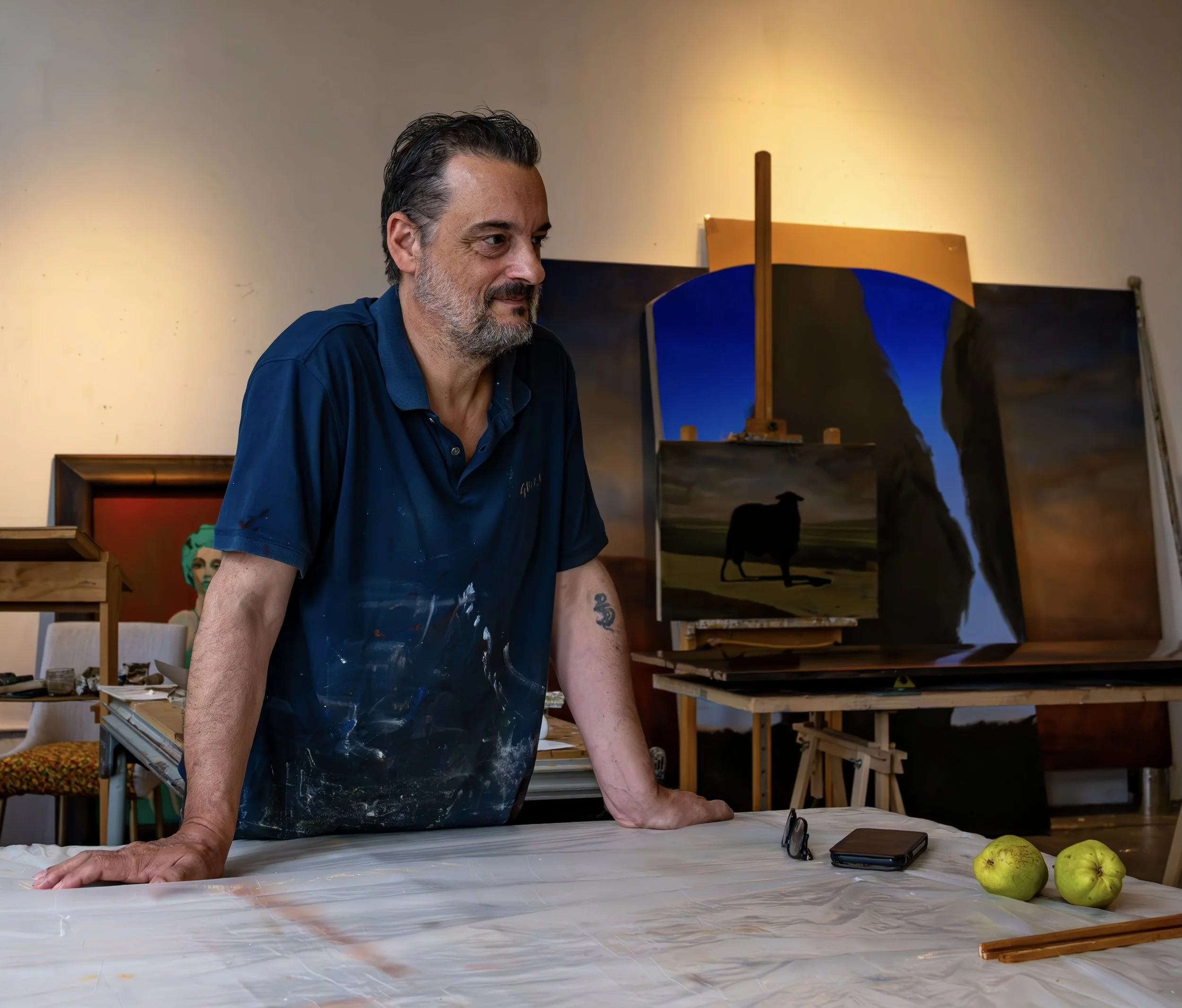
ANTONIO MURADO (1964-)
Antonio Murado was born in Lugo, Spain in 1964 and graduated in Fine Arts from the Escuela de Bellas Artes University of Salamanca. Murado early on caught the attention of the Spanish art scene, taking center stage in a number of important contests and juried exhibitions. In 1995, with the help of an Unión Fenosa – MACUF Artists Abroad Grant, he enjoyed a residency in New York City, eventually settling there for good. Considered by critics as one of the most internationally renowned Spanish painters today, Murado’s paintings are now held in prominent museum, corporate, and private collections including The CGAC Galician Center of Contemporary Art, Santiago de Compostela, Spain; The Nagasaki Art Museum, Japan; and in the collections of Phillip Morris, American Express, Chase Manhattan Bank, AXA, Pfizer, Broomfield, Nordstrom, Ritz-Carlton-Nueva York Winston & Strawn Collection, Chicago; MACUF, A Coruña, Colección Banco de España, Madrid; Fundacion Jove, A Coruña.